
Carnivores Pachydermata Ongulates Reptiles Primates, rodents and others Birds Birds of prey Terrestrial birds Waders and water birds
Helmeted Guineafowl
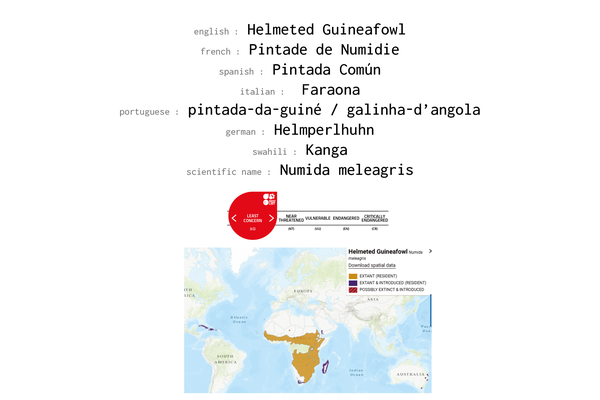

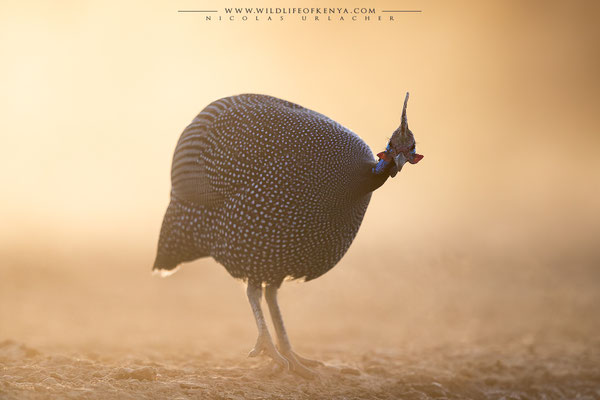


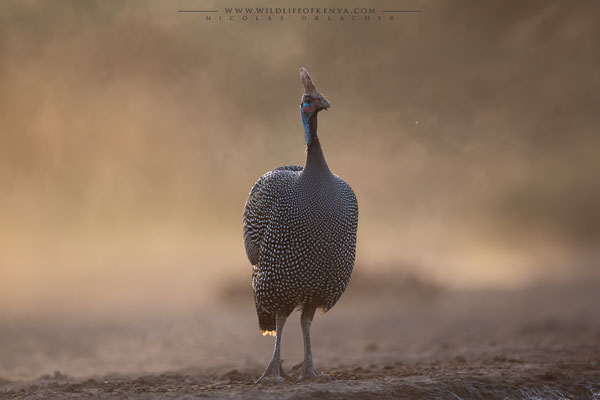
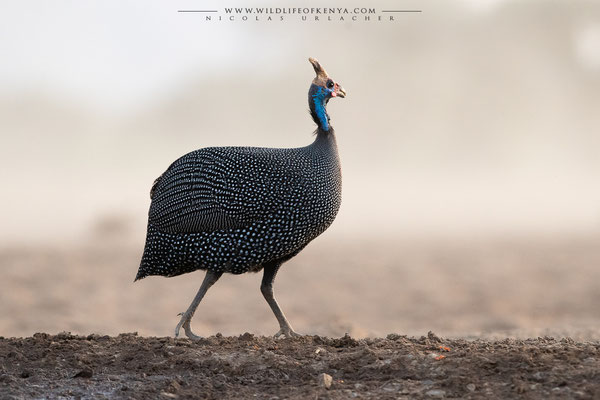

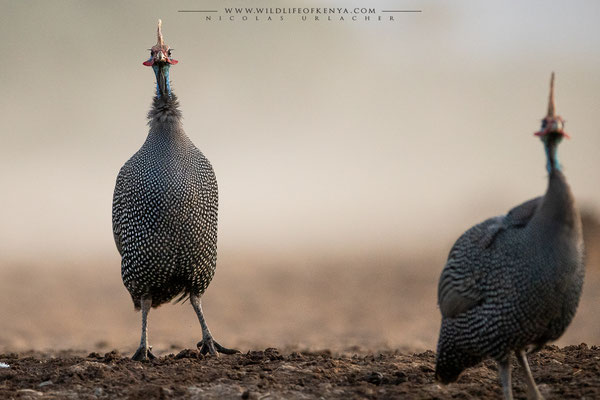

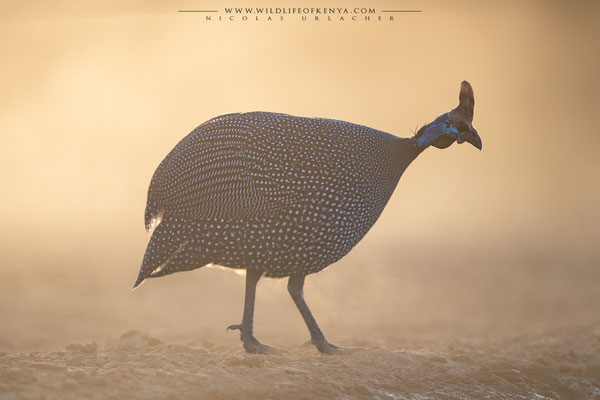

Physical Features & Appearance: They have a distinctive, dull yellow or reddish bony knob (casque) on their head, bright blue and red bare skin on the face, and a short, stout beak. Their bodies are plump, gray-black, and covered with white, pearl-like spots.
Behavior & Social Structure: Known for being extremely loud and social, they live in large groups ("confusions") of up to 25 or more birds, which develop strict, complex social hierarchies. They are primarily terrestrial and prefer running to flying.
Habitat & Range: Native to Africa south of the Sahara, they are highly adaptable, living in savannas, grasslands, and agricultural areas. They have been introduced to many parts of the world, including the West Indies, North America, and Australia.
Dietary Habits: As omnivores, they eat seeds, tubers, fruits, small reptiles, and are particularly known for eating massive quantities of pests like ticks and grasshoppers.
Reproduction: Breeding is timed with the rainy season. Females lay 6–20 eggs in ground-based, often hidden nests. The chicks, known as "keets," are precocial and can leave the nest almost immediately after hatching.
Defenses: They are known to be fearless, often chasing off snakes. They use their loud, rattling calls to warn the entire flock of danger.
Fun Facts:
Mythology: According to Greek legend, the sisters of the hero Meleager were turned into these birds, and their tears formed the white spots on the feathers.
"Alarm" System: They are sometimes called "living alarm systems" because of their noisy reactions to predators.
Walking Capacity: They can walk 10 km or more in a single day.
Lifespan: They can live up to 12 years.
